Projected 2050 European data-center electricity demand in the continental net-zero scenarios.
Decarbonize IT
Digital infrastructure and energy systems
Decarbonizing IT means modeling data centers as part of the energy system.
This site collects blog-style essays based on manuscript work on data-center electricity demand, waste-heat recovery, district heating, photovoltaic integration, and workload flexibility.
Upper estimate of low-temperature data-center cooling heat that could support suitable district-heating systems.
Share of EPFL campus district-heat demand supplied by the data center in selected urban prosumer cases.
Featured articles
Recent articles
Abridged, web-friendly versions of the two manuscripts. Each blog post keeps the core model assumptions, scenario logic, and quantitative findings close to the paper, while the journal button points to the published article.

Project note · EPFL Solutions4Sustainability
What is HeatingBits?
A project article on the EPFL effort behind the campus-scale data-center work: high-temperature cooling, heat recovery, predictive control, PV and storage integration, ORC generation, and EcoCloud demonstration.
Applied Energy · Campus systems
From servers to services
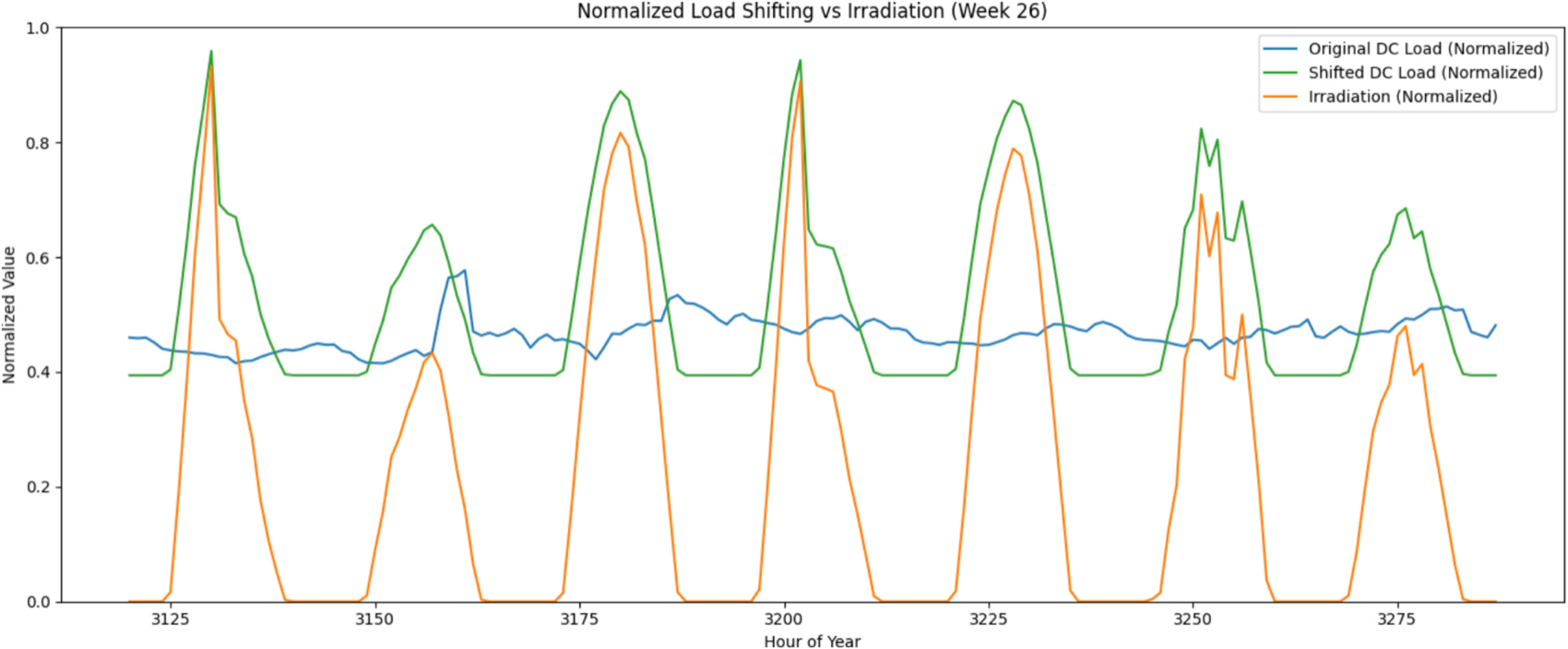
How liquid-cooled data centers, Organic Rankine Cycles, heat pumps, district-heating buffers, photovoltaic generation, and workload shifting interact in an EPFL campus case study.
Cell Reports Sustainability · European systems
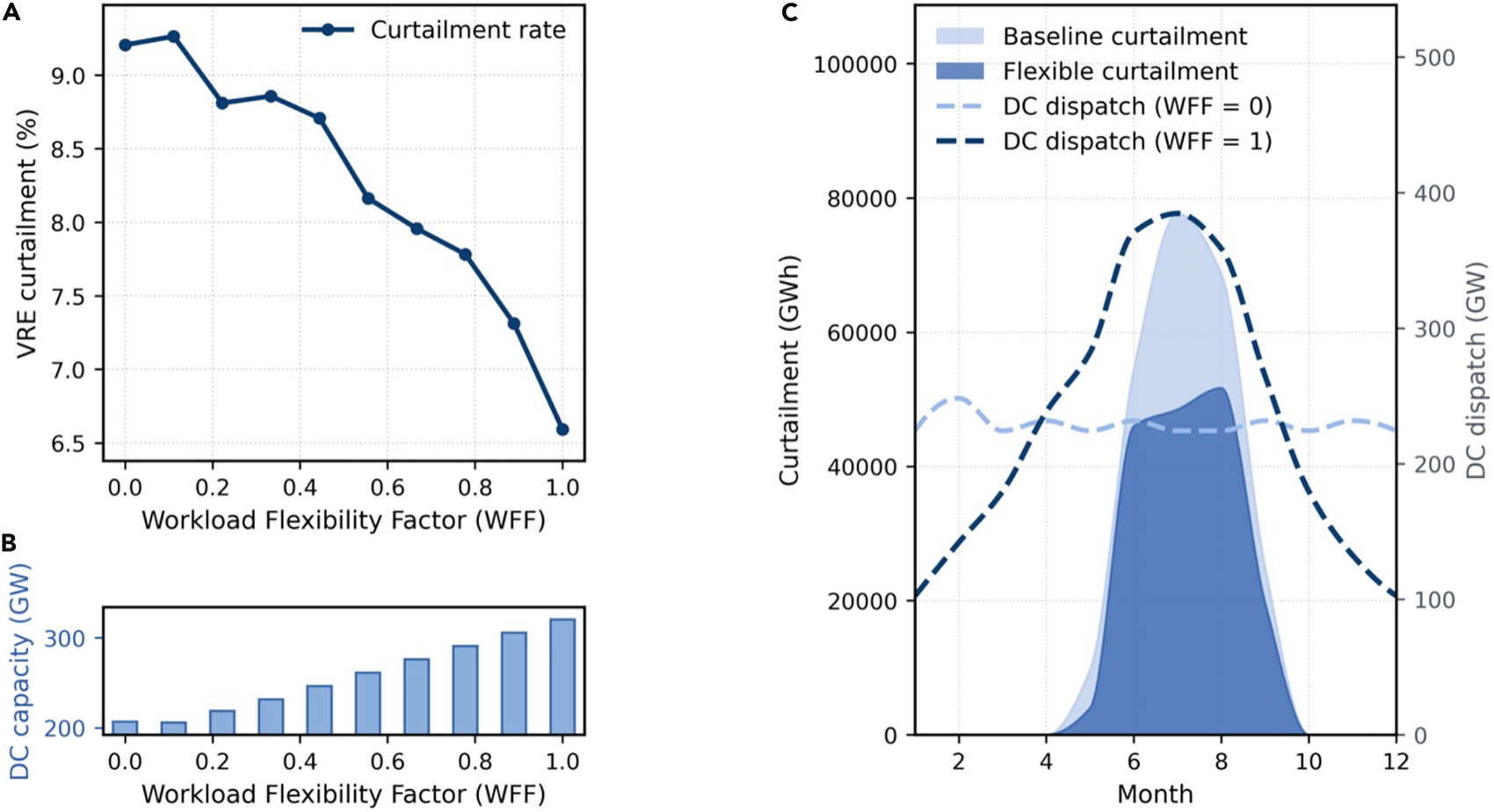
Workload-flexible data centers reduce renewable curtailment
How a 2050 European energy-system model changes when data centers are represented as electricity loads, recoverable heat sources, and flexible demand.
Research thread
Digital infrastructure is not an externality to energy planning.
Data centers concentrate electricity demand near cities, produce continuous cooling heat, and increasingly run workloads that can be shifted in time or migrated across locations. Treating those characteristics explicitly changes system design, siting choices, heat-network value, and renewable-curtailment outcomes.